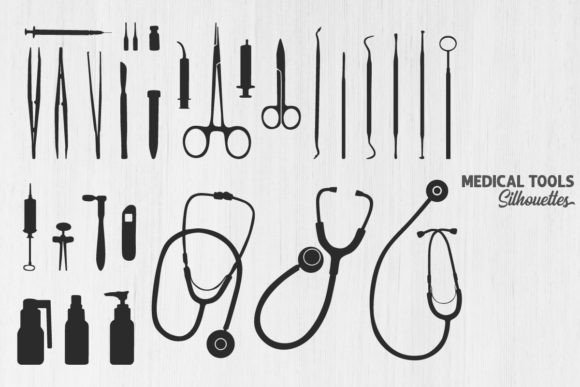
Medical Device Design and Development: Graphics & Illustrations
As a brand designer who spends most of my week auditing visual assets for health-tech startups and wellness coaches, I approach new graphic design assets with a critical eye. Recently, I evaluated the Medical Device Design and Development collection for a potential client campaign. This client, a small business launching a novel home-health monitoring tool, needed visuals that screamed innovation without feeling cold or sterile. My first impression of this asset was immediate relief; it strikes a rare balance between scientific precision and approachable modern design. The mood it creates is one of trusted authority mixed with human-centric care, which is exactly what audiences need to see when considering medical products.
The emotional tone here is subtle but powerful. Unlike generic clipart that often feels disjointed or overly cartoonish, these illustrations convey a sense of engineered reliability. For small business branding, this is crucial. When you are competing against established pharmaceutical giants, your visual language must work harder to build audience trust. This collection supports that goal by offering clean lines and a professional aesthetic that fits seamlessly into commercial design projects. It feels suitable not just for clinical environments, but also for lifestyle content where health meets daily living, making it versatile for everything from editorial graphics to social media promotions.
Integrating Science Concepts into Real Marketing Workflows
In a real-world scenario, imagine we are building a launch kit for a new telemedicine app. The Medical Device Design and Development assets become the backbone of our visual hierarchy. Because the files are fully editable and scalable, I can take the core science concept illustrations and adapt them for various touchpoints. For logo design inspiration, the clean vector paths offer great starting points for creating custom icons that represent connectivity and care. In packaging design, these graphics can serve as subtle background patterns or focal points on product labels, ensuring the box looks premium on a shelf or in an unboxing video.
The versatility extends deeply into digital spaces. For social media graphics, specifically Instagram posts and Stories, the RGB color profile ensures the greens, blues, and whites pop on mobile screens. I tested these assets for Pinterest pins, where vertical composition is key, and found that the resizable nature of the SVG files allowed me to crop and extend elements without losing quality. For digital ads on Facebook or LinkedIn, the ability to easily change colors means we can A/B test different brand palettes to see which drives more clicks. Whether used in website headers, email banners, or as decorative elements in lead magnets, these design assets maintain a consistent look that reinforces professional branding.
Strategic Applications for Brand Identity and Content
Where does this asset truly shine? It excels in hero graphics and campaign headers where you need to stop the scroll. If you are preparing a content marketing strategy for a health blog, using these illustrations as featured images immediately signals the topic's seriousness while remaining engaging. They are perfect for branded templates in Canva, allowing non-designers on your team to create cohesive marketing visuals without breaking the brand guidelines. For event flyers or posters promoting a health webinar, the graphics provide a strong anchor that draws the eye before the reader even processes the text.
Furthermore, these graphics support stronger recognition. When used consistently across merchandise, stickers, or digital product visuals, they create a visual shorthand for your brand's values. The "science concept" aspect helps demystify complex topics, making them ideal for educational carousels or infographic-style posts. By integrating these elements into your brand identity, you improve audience engagement because the visuals feel intentional and high-quality, rather than like a afterthought.
Navigating Limitations and Design Constraints
However, no design asset is a magic bullet, and there are areas where Medical Device Design and Development should be used with caution. In formal corporate branding for legacy institutions, the style might be too modern or approachable if the goal is to project rigid tradition. Additionally, in dense information layouts or text-heavy ads, these illustrations can compete with the main message if not given enough breathing room. I advise against using them on low-contrast backgrounds where the fine details of the device schematics might get lost.
For small mobile graphics, such as favicons or tiny profile pictures, the intricate details of the science concepts may not translate well. It is essential to test readability in small sizes before committing to a layout. Also, for overly minimal brands that rely strictly on typography, adding these detailed illustrations might clutter the aesthetic. The key is to ensure the asset supports the narrative rather than overpowering it.
Practical Notes for Designers and Marketers
Before deploying this digital product in a paid campaign, I always recommend a few practical steps. First, test the colors against your specific brand palette. While the files allow for easy color changes, ensure the new hues maintain sufficient contrast for accessibility. Check how the illustrations look in black and white, as this is often required for faxed documents or specific print constraints. Place the assets inside real campaign mockups to see how they interact with photography; sometimes, a flat illustration clashes with a hyper-realistic photo unless styled correctly.
Typography pairing is another critical factor. These SVG designs pair exceptionally well with clean sans-serif fonts that mirror their geometric precision. However, don't be afraid to experiment with a sophisticated serif font to add a touch of editorial elegance, or a handwritten font to introduce a human element to the technical subject matter. Review the spacing and balance around the graphics to ensure they don't feel crowded. Finally, and most importantly, confirm the commercial license terms. Since this is intended for client work and business branding, understanding the scope of usage for these printable designs and digital files is non-negotiable to avoid legal pitfalls down the road.
Ultimately, the Medical Device Design and Development collection is a robust tool for anyone looking to elevate their health-related content. From web design to editorial design, it offers the flexibility and polish needed to stand out in the creative marketplace. By leveraging these Illustrations strategically, brand owners can craft campaigns that are not only visually stunning but also deeply effective in communicating trust and innovation.